
A Mother’s Perspective: Kelsey’s Story
Early Years
Kelsey was born on April 10, 1993. Doctors called her a colicky baby because she cried often for
no apparent reason. Later we’d learn that whenever Kelsey urinated, it burned. She thought this
was normal because she had never experienced anything different. UTI’s and what we called
“flare-ups” became the norm. A “flare-up” meant that her vaginal area felt like it was on fire.
This painful symptom could last for days and began affecting her life. She’d have to abandon her
softball team during a game, miss out on a friend’s birthday party, or a holiday could be ruined
without warning. Urologists and gynecologists offered no explanation or solutions.
Vulvodynia
It was 2009. Kelsey was 16. I was constantly on the computer researching her symptoms. One
day I read an article about something called vulvodynia. When I read the description, I was
dumbfounded. Why had no doctor ever mentioned this to us?
Vulvodynia is defined as chronic pain in the vulva region with no apparent cause that lasts for
three or more months. Any pressure on this area like sitting for too long or wearing tight clothes
can provoke pain. Women describe the sensation as burning, stinging, or stabbing. It can also
cause burning urination.
I knew without a doubt that this was what Kelsey had. We anxiously waited for an appointment
with a vulvodynia specialist. After a lifetime of wondering, it took a 5-minute exam for him to
diagnose Kelsey with Primary Vestibulodynia. The word primary indicated that the patient’s
condition was congenital (since birth). The doctor recommended a procedure called a
vestibulectomy where he would surgically remove Kelsey’s vestibule.
After years of being ignored, we felt vindicated. Kelsey wasn’t alone. What she’d been
experiencing for years had a name, and there were other women out there suffering just as she
was.
Even though I knew Kelsey had vulvodynia, we got opinions from other specialists who also
recommended the procedure. Kelsey’s vestibule was surgically removed when she was 18.
During the follow up appointment, tears poured down her face. For the first time in Kelsey’s life,
the physical exam didn’t hurt. We left the doctor’s office feeling like we’d just won the lottery.
Kelsey started taking classes at a local college and got a part-time job at a pet store.
But the future held a cruel twist of fate we never could have imagined. About a year later, all her
symptoms returned.
The Mystery Continues
Kelsey had a spinal cord stimulator implanted, pudendal nerve blocks, and endured years of
pelvic floor therapy. She even tried wearing a urine bag, but nothing worked. A doctor suggested
that Kelsey see a neurologist and be tested for something called Small Fiber Neuropathy. I’d
never heard of SFN and when I read about it, I was confused. The presenting symptom in three-
fourths of SFN patients was pain or burning in the feet. It was usually associated with diabetes,
and the average age of diagnosis was 54. Kelsey was 23, didn’t have diabetes, and had never had
pain in her feet.
The neurologist did a skin punch biopsy. About a week later, he called and said Kelsey’s biopsy
was positive for SFN. The epidermal nerve fiber density result was 0.4 in her thigh and 1.34 in
her calf. He then ordered dozens of lab tests because many conditions can cause SFN. When all
the labs came back negative, doctors called Kelsey’s SFN idiopathic. Without a cause, there was
no treatment.
Later I’d learn there are studies that show a connection between vulvodynia and SFN. The
statistics vary from 5% to 38% depending on the cohort of women who test positive for SFN and
report also having vulvodynia.
Worsening Symptoms
What I didn’t know at the time was that SFN can affect a person’s autonomic system. Even
though Kelsey’s bladder would be full, she wouldn’t be able to start a stream of urine.
Sometimes she’d go more than 24 hours being unable to urinate. A motility test showed that over
a four-day period, the food that Kelsey ate barely moved through her digestive tract which
caused severe constipation. A gastroenterologist found abnormal dilation throughout Kelsey’s
colon. Being nauseated became commonplace, and sometimes she vomited even though she
wasn’t truly sick. Kelsey was always too hot or too cold, never comfortable. The chronic fatigue
she experienced was debilitating. Because her symptoms were worse at night, she’d sleep during
the day and barely interact with people. Her hair was falling out, and her teeth were crumbling.
Even her pancreas had atrophied, and still doctors didn’t seem concerned.
During the spring of 2022, Kelsey said it felt like her pills were getting stuck in her throat. An
ENT did a barium swallow test and said her esophagus was misfiring. This newest symptom was
also blamed on her SFN.
A few months later, I spoke to Kelsey on the phone one night. She said, “I’m in a lot of pain. I
love you,” and then hung up the phone. A normal mom would jump in her car and race to her
child. But for me, this was “normal.” I thought—I’ll see Kelsey in the morning.
The next day I walked into her house and found that Kelsey had died during the night. The
autopsy said she aspirated due to severe chronic bowel obstruction with megacolon. Kelsey was
29 years old. No doctor had ever indicated that her symptoms were life threatening or even
worrisome. We were in complete shock that our daughter was gone.
Resilience and Hope
The morning Kelsey passed away, I put her young golden retriever, Brody, into my car and
brought him home to live with us. Each day I clung to him as I tried to live in a world where my
daughter was missing. I was so grateful to have this last gift from her.

Kelsey and I had a plan for Brody to become a therapy dog when he got a bit older. She was so
excited to one day visit people in hospitals and nursing homes who were in pain like she was just
to brighten their day. From the moment Kelsey left this world, I knew exactly what I needed to
do. Brody and I became a therapy dog team in her memory. When Brody walks into a patient’s
room, he brings them joy just as Kelsey imagined.
A Cautionary Tale
• Don’t take no for an answer.
• Listen to your body.
• Advocate for yourself regardless of what others say.
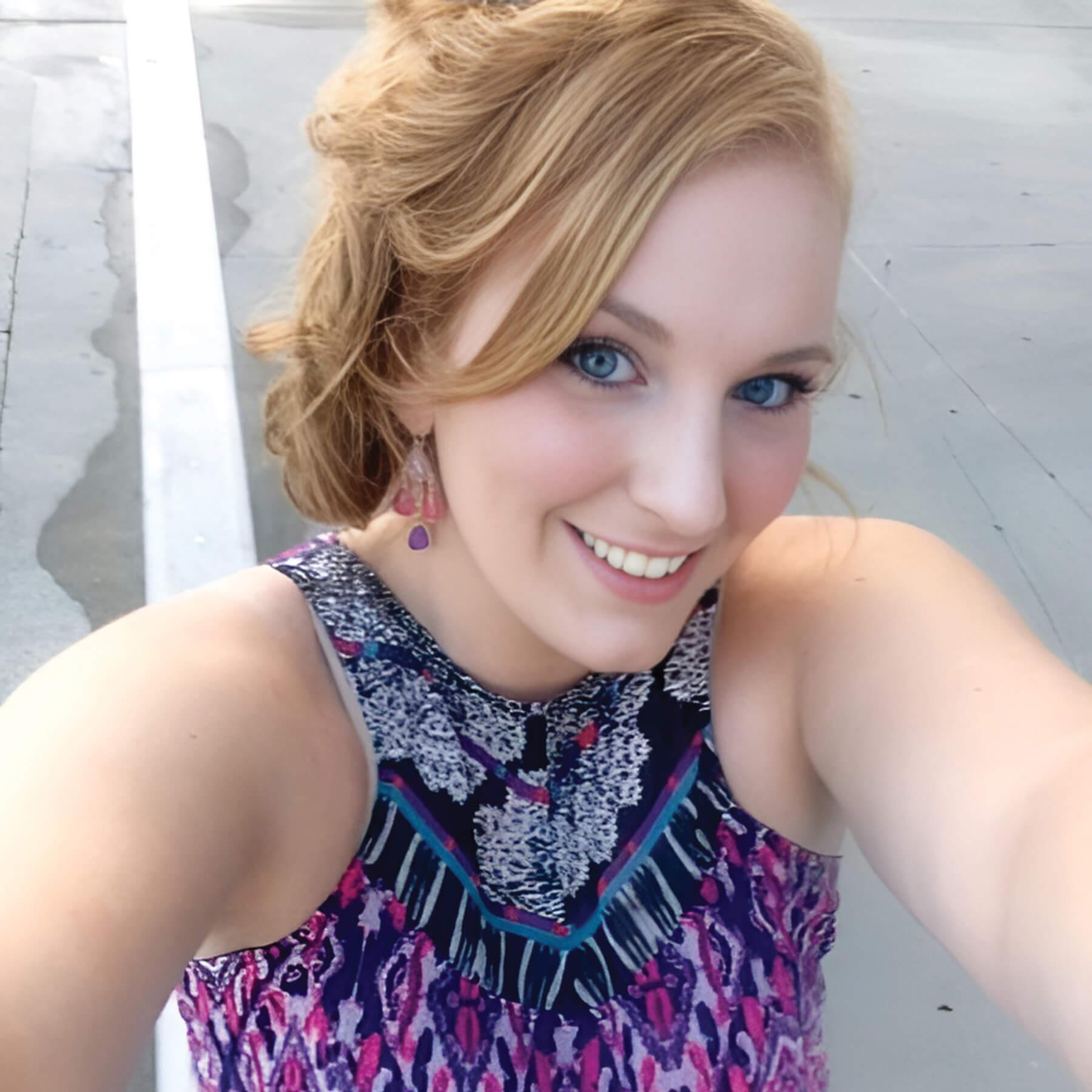
A few weeks before Kelsey died, we were in the car headed to a medical appointment. Kelsey
said, “Something is seriously wrong with me. People are going to be sorry.”
I responded in an exasperated way, “Kelsey, you’ve seen a lot of doctors lately. Everyone says
they can’t find anything wrong. You’re going to be fine.”
Kelsey had been to the emergency room 3 times over the last 5 months, but every time they did
nothing and sent her home. I also said, “Stop going to the emergency room. They’re not going to
help you.”
I imagine most people would have realized they were in danger that night. But everyone,
including myself, told Kelsey to stop asking for help and just deal with it. We were all wrong,
and our mistake cost Kelsey her life. My hope is that this foundation and those who support it do
everything they can to make sure this story doesn’t repeat itself.
Written by Deborah, New York
December 1, 2025
Got Feedback or Ideas?
Share feedback, ideas, or information corrections in our quick anonymous survey.
Google Form Survey